Crash Game Catalog
The multiplier climbs until it doesn't, and the only live question is when to leave it. Every crash game Highline publishes belongs in this catalog, with nothing asked of a title beyond appearing on the site. Before a round starts, the stated return and the top multiplier are the reading available: what a game pays back over time, and how high the curve can run. Neither marks the cash-out point, because that choice is the round itself.
All 10 games Published 14/10/2026 Last updated 14/10/2026
Return and the Top Multiplier
Published return and the top multiplier are separate facts about a crash game, and neither settles the other. The first describes what a game pays back over time; the second marks how high the curve can run before a round ends. Knowing one leaves the other open, and with no volatility rating to lean on for most of these, the two figures carry the reading alone.
Read them as separate questions. What return is documented for this game, and does it differ from the one beside it? Which ceiling is stated, and is that figure present at all? A named figure authorizes that figure, not a cash-out point and not a promise about any round.
Again, there is nothing to split by risk, since risk is the very focus of this page and identical across all its games.
None of the games in this collection have a listed engine, so there is nothing to break down by engine here.
Crash Return and Ceiling
Before a curve lifts, each card states its terms: published return, volatility and maximum win. Behind the game name sits the full review; a cell without a value reads unavailable.
-
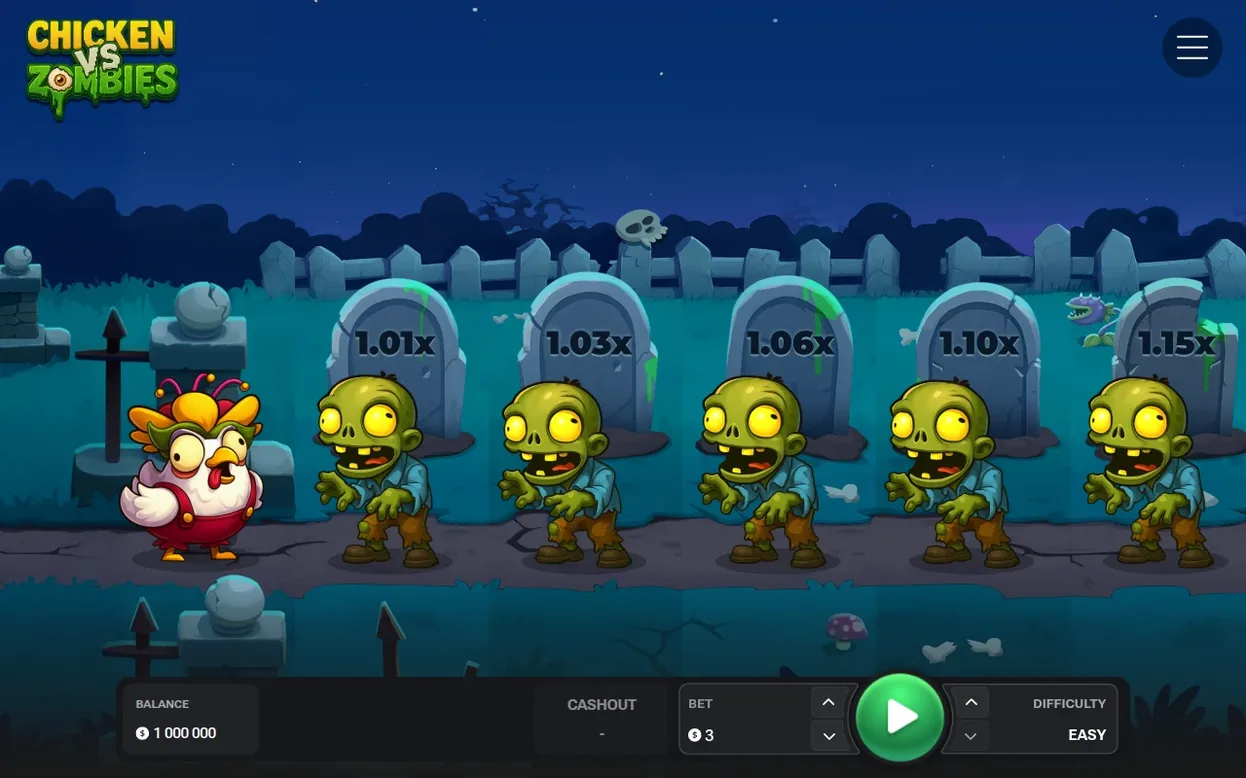
InOut Games
- RTP
- 95.50%
- Variance
- -
- Top win potential
- -
-
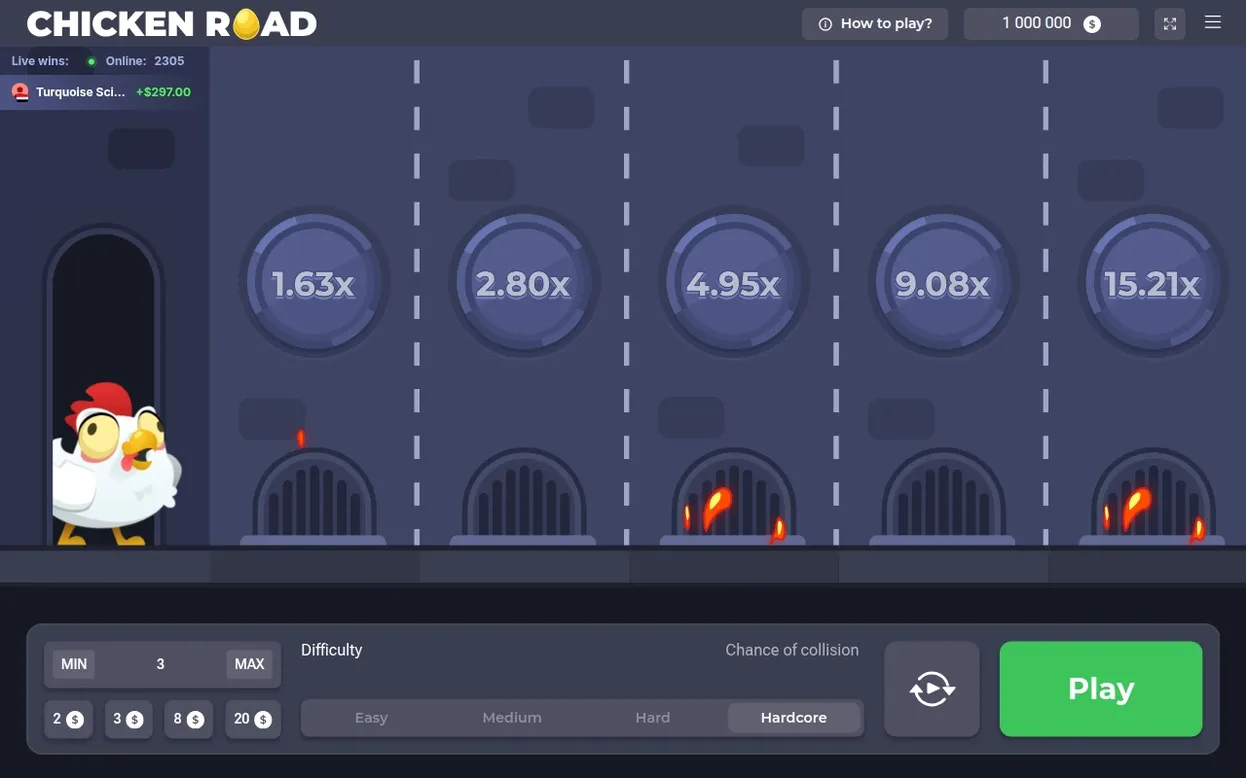
InOut Games
- RTP
- 98.00%
- Variance
- -
- Top win potential
- -
-
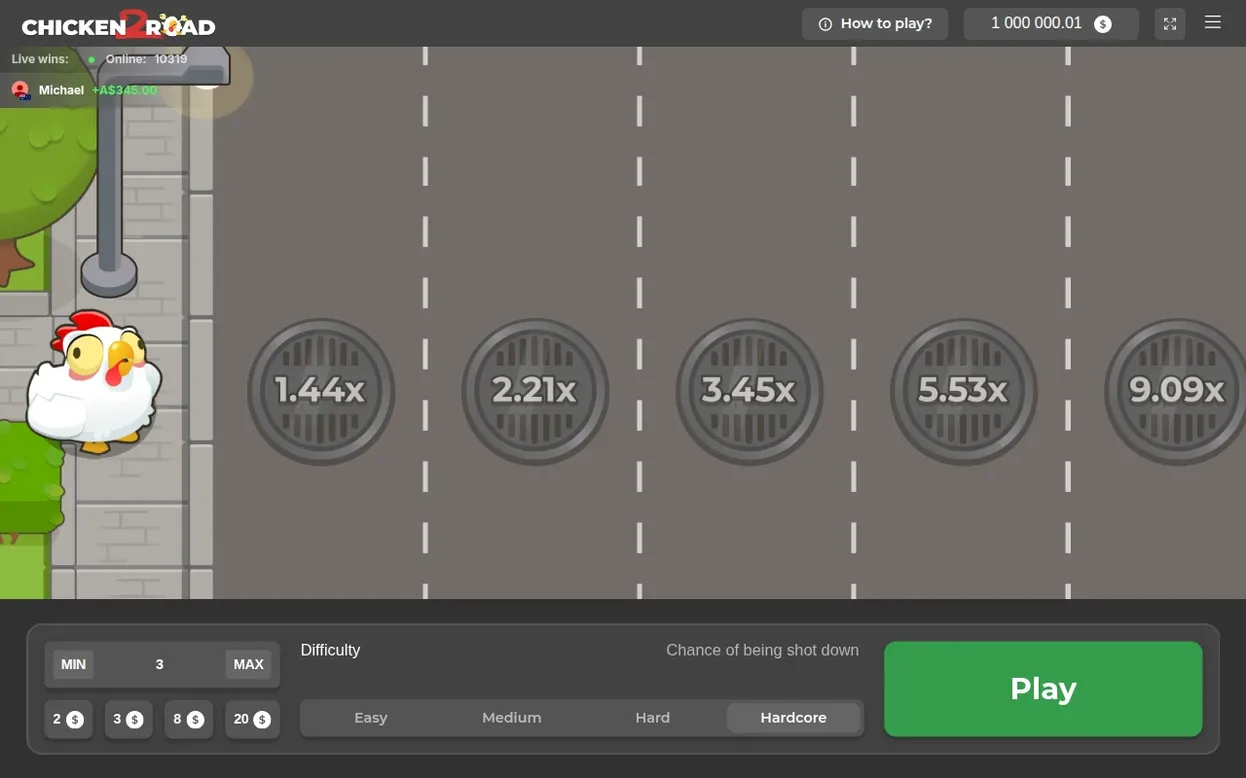
InOut Games
- RTP
- 95.50%
- Variance
- -
- Top win potential
- -
-
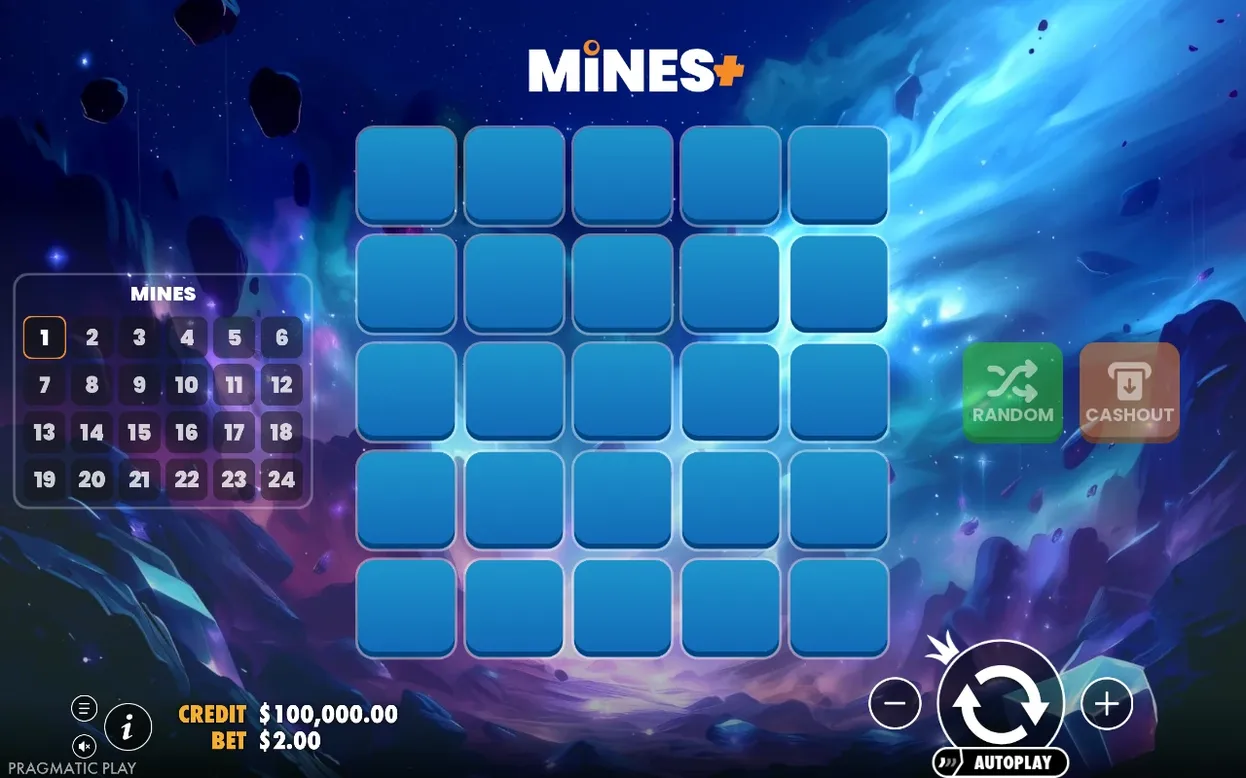
Pragmatic Play
- RTP
- 97.50%
- Variance
- -
- Top win potential
- -
-
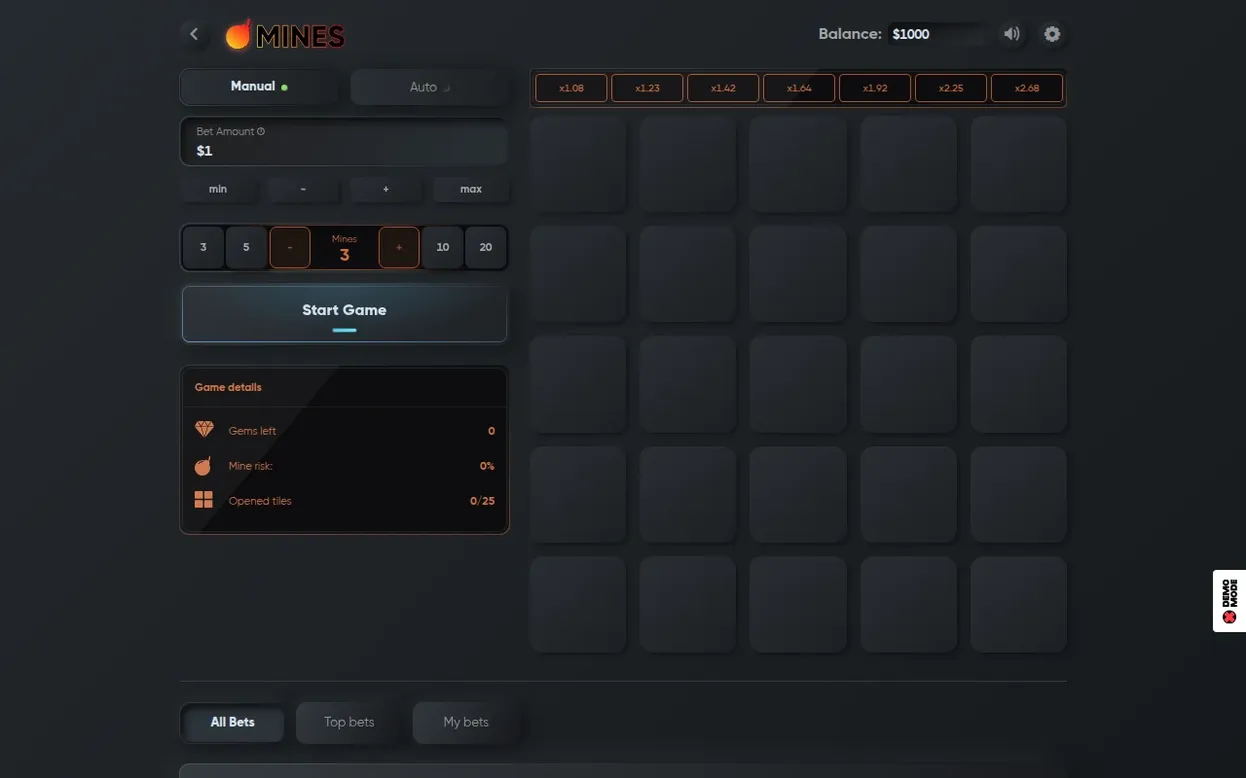
Turbo Games
- RTP
- 94.71%
- Variance
- -
- Top win potential
- -
-

BGaming
- RTP
- 98.91%
- Variance
- -
- Top win potential
- -
-
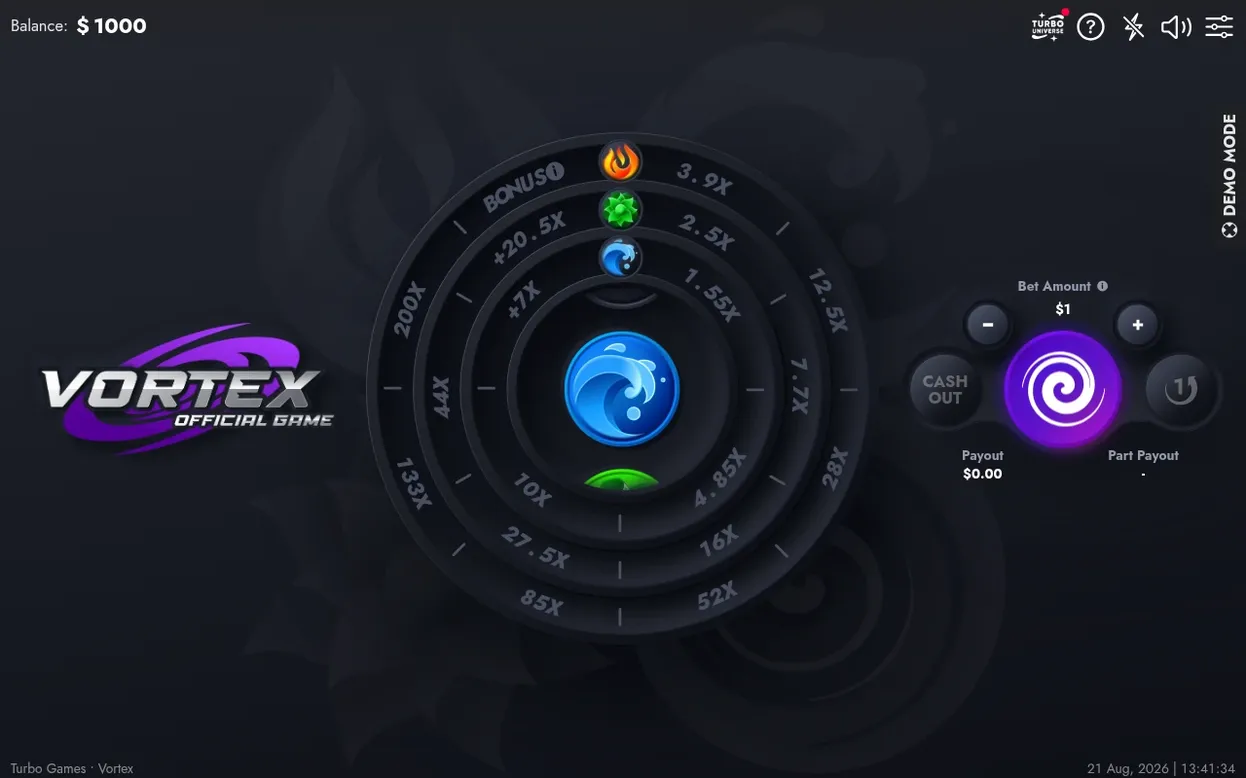
Turbo Games
- RTP
- 93.56%
- Variance
- -
- Top win potential
- -
-
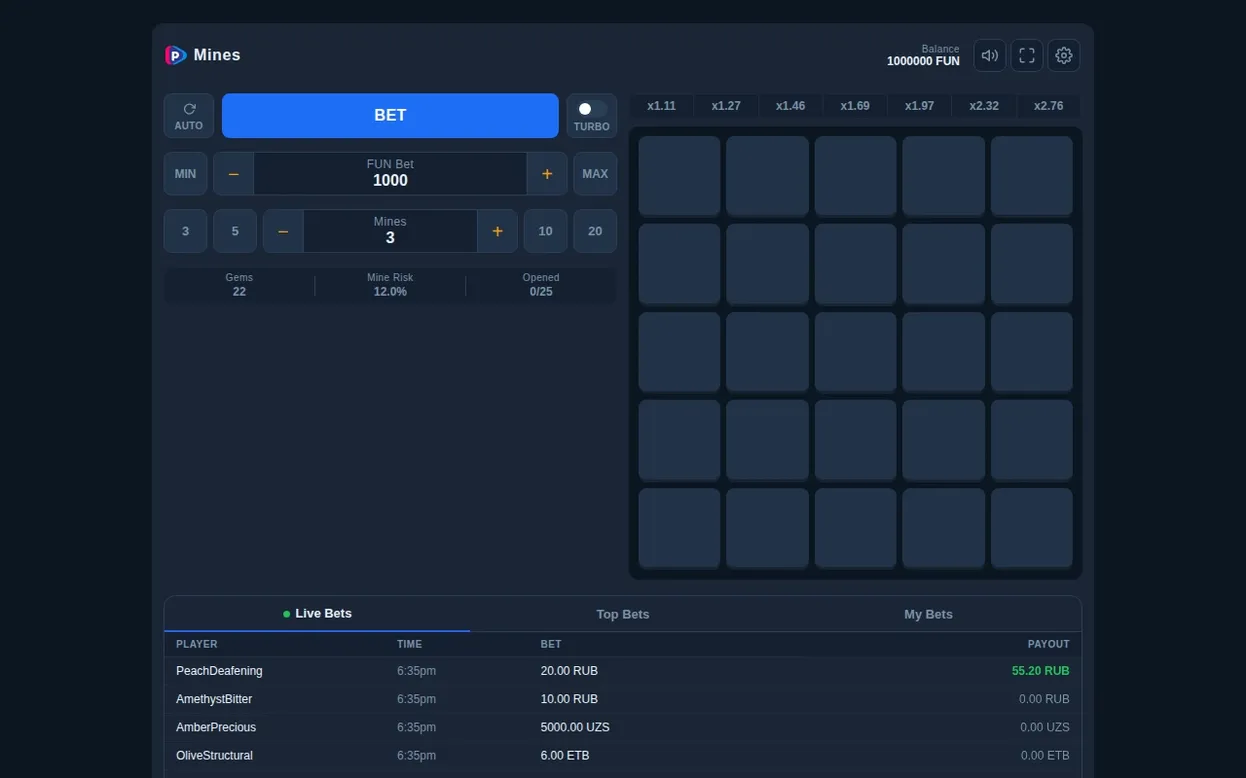
PoggiPlay
- RTP
- 98.00%
- Variance
- Medium
- Top win potential
- -
-

InOut Games
- RTP
- 95.50%
- Variance
- -
- Top win potential
- -
-
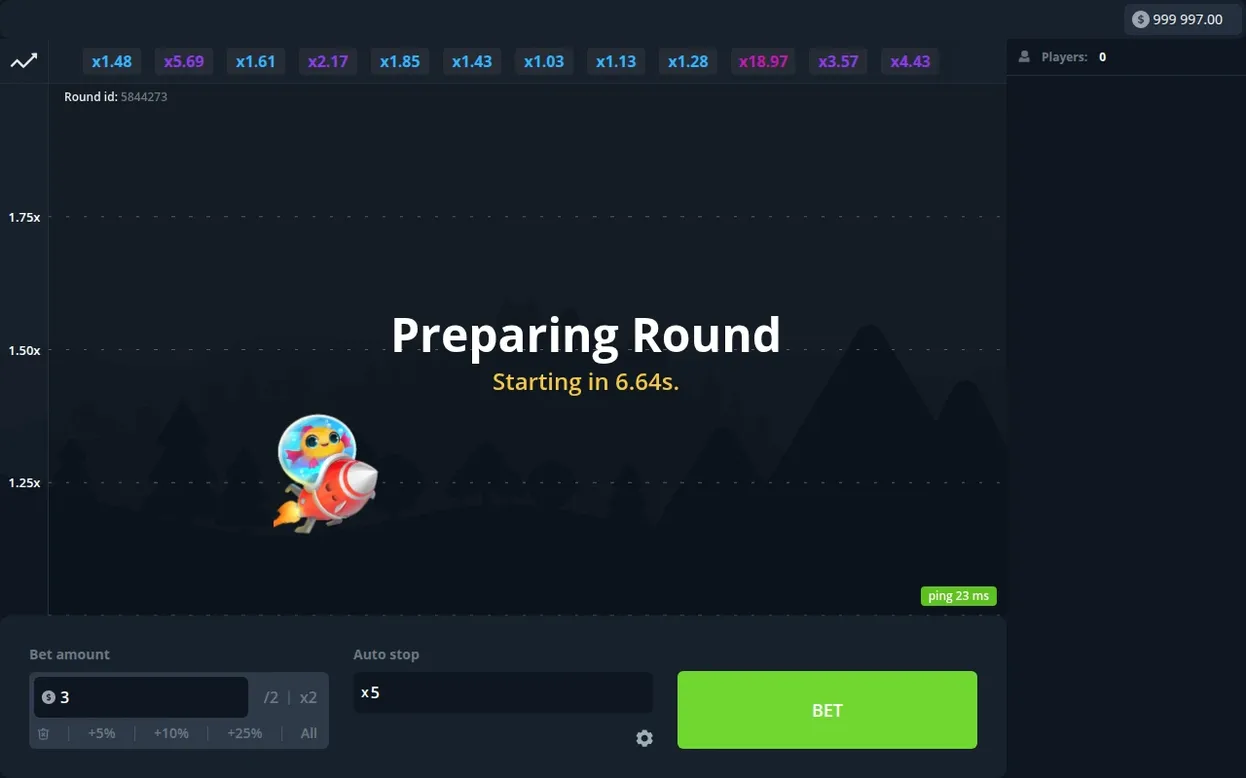
InOut Games
- RTP
- 90.00%
- Variance
- -
- Top win potential
- -
Crash Catalog Membership, Display Position
The ranking reflects player demand.
Evidence Gaps and Refused Inferences
- Origin, collection span and revision timing for the demand reading
- Quality or standing verdicts built from a crash game's position in the list
Crash Games Regrouped
Each view below isolates one shared property at a time, and every crash game inside it keeps its link to the complete review.
Studios Side by Side
Every crash game on this page stands in one continuous list, with titles from the same studio sitting together and the card naming that studio. Published RTP appears on the card when available, and each name opens the full review.
-
RTP 95.50%InOut Games
-
RTP 98.00%InOut Games
-
RTP 95.50%InOut Games
-
RTP 95.50%InOut Games
-
RTP 90.00%InOut Games
-
RTP 94.71%Turbo Games
-
RTP 93.56%Turbo Games
-
RTP 98.91%BGaming
-
RTP 97.50%Pragmatic Play
-
RTP 98.00%PoggiPlay
Crash Games, Return and Position
Does a higher position on this page mean a higher return?
No. Placement follows demand, the signal that arranges the entries, and a spot near the top raises neither the stated return nor the top multiplier. The order arranges; it never grades what a game pays.
Does a crash game without a volatility rating pay less?
No. The format seldom carries a volatility rating, and that absence establishes nothing about what a game returns. The stated return is the figure that speaks for payout, with or without a rating beside it.
Does a higher top multiplier mean high multipliers land more often?
No. The top multiplier is a ceiling, and it establishes nothing about how often the curve runs high before ending. Two games with the same ceiling can behave differently round to round.
Do crash games here use paylines the way reel slots do?
No. Paylines belong to reel games, and this format resolves a round through the curve and the cash-out moment instead. The comparison here rests on the stated return and the top multiplier.